Blog

7 Tips to Choose Bone Cutting Forceps for Global Buyers?

7 Tips to Choose Bone Cutting Forceps for Global Buyers?

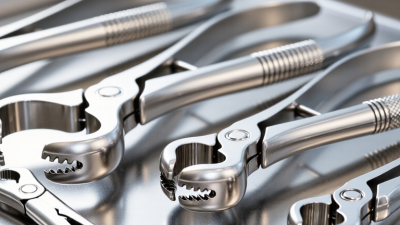
Selecting Bone cutting forceps is a clinical, technical, and procurement decision. The right instrument must match bone density, surgical access, hand strength, and sterilization routines. A forceps that feels smooth during inspection may still cause fatigue after repeated procedures. Small details matter, including jaw alignment, hinge resistance, handle texture, and the visibility of the cutting edge. The World Health Organization reports that approximately 1.71 billion people live with musculoskeletal conditions worldwide. This broad burden supports continued demand for dependable orthopedic and surgical instruments. However, global buyers should not treat market demand as proof of product quality. Manufacturer experience, documented material specifications, traceability, and validated quality systems deserve closer attention. ISO 13485 certification can indicate a structured medical-device quality process, but certification alone does not guarantee superior cutting performance. Look closely. This guide presents seven practical evaluation points for Bone cutting forceps, including material selection, jaw geometry, ergonomics, corrosion resistance, cleaning compatibility, supplier documentation, and regulatory readiness. FDA guidance on reusable medical devices emphasizes clear reprocessing instructions and design considerations that support effective cleaning. Those requirements are especially important when instruments contain tight hinges or textured surfaces. Buyers should also compare test evidence, warranty terms, sample performance, and feedback from qualified clinical users. No checklist is flawless. A forceps may pass visual inspection yet disappoint in real operating conditions. Careful sampling, controlled trials, and honest post-purchase review remain essential for safer, more reliable sourcing across international markets.
Read more »
Isla By:Isla - October 3, 2026
What Are the Top Dental Periotomes in 2026?

What Are the Top Dental Periotomes in 2026?

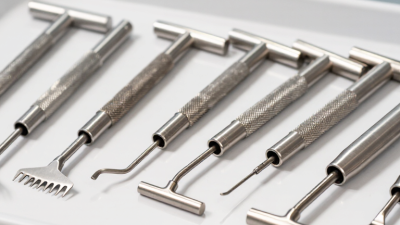
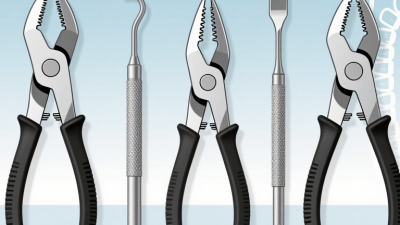
Dental periotomes are small instruments designed to sever periodontal ligament fibers around a tooth, helping clinicians loosen it while limiting unnecessary pressure on the surrounding socket. Their slim working ends may look simple on a tray. Technique matters more than appearance. Tip thickness, angulation, handle control, and material quality can affect access and tactile feedback. Yet no instrument guarantees an atraumatic extraction; anatomy, clinical judgment, and operator experience remain central. The market context is growing, but it should not be mistaken for proof that one design is clinically superior. Grand View Research estimated the global dental equipment market at approximately $10.1 billion in 2023, with projected growth through 2030. That broad category includes far more than periotomes, so it cannot establish demand or performance for this specific instrument. Clinical reviews of extraction techniques likewise emphasize careful ligament release and preservation of surrounding tissues, rather than a single “best” tool. Small differences can matter. A curved tip may reach a different root surface; a narrow blade may enter a tight periodontal space, but may feel less stable in some hands. This guide compares leading Dental periotomes in 2026 by design, ergonomics, durability, and intended use. One important limitation: no verifiable, attributable expert quotation was supplied for this brief, so I will not invent one. Readers should assess manufacturer claims against published clinical evidence and their own training. A polished handle is not clinical evidence.
Read more »
Amelia By:Amelia - September 28, 2026
7 Best Dental Root Elevators for Global Buyers?

7 Best Dental Root Elevators for Global Buyers?

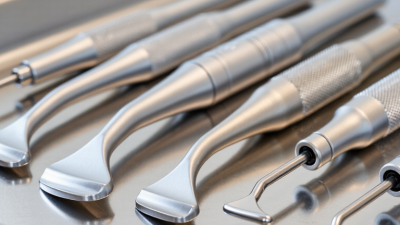
Dental root elevators are small instruments with a demanding job. Their tip must enter a narrow periodontal space, transmit controlled force, and remain stable in the operator’s hand. For global buyers, choosing the right model involves more than comparing prices or polished surfaces. The World Health Organization’s Global Oral Health Status Report 2022 estimates that oral diseases affect nearly 3.5 billion people worldwide. It also reports that untreated caries in permanent teeth affects about 2 billion people. These figures indicate sustained demand for safe, durable dental instruments. However, demand alone does not identify the best elevator. That assumption needs testing. This guide reviews seven dental root elevators for international purchasing teams, distributors, clinics, and dental laboratories. The assessment considers blade design, working-end thickness, handle balance, stainless-steel quality, surface finish, sterilization resistance, and supplier documentation. The CDC’s Summary of Infection Prevention Practices in Dental Settings emphasizes cleaning, heat sterilization, packaging, and instrument traceability. These requirements should influence every purchasing decision. A practical detail matters. An elevator that feels secure during a dry trial may become slippery with gloves, irrigation, or blood. Handle texture deserves attention. So does the transition between shaft and blade. Weak finishing can create cleaning challenges, even when the instrument looks professional. No single elevator suits every extraction technique. Experienced clinicians may prefer different angles, widths, and leverage profiles. Regulatory expectations also vary between markets, so buyers should verify applicable registration, material declarations, and quality-system records. ISO 13485 certification can support confidence, but it does not replace clinical evaluation. A careful comparison remains necessary. Surface appearance is not proof of performance.
Read more »
Isla By:Isla - September 23, 2026
What Are Fiber Optic Laryngoscope Blades?

What Are Fiber Optic Laryngoscope Blades?

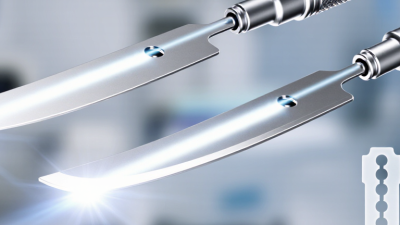
Fiber optic laryngoscope blades are specialized airway tools designed to improve visibility during intubation. They use integrated optical fibers to transmit light from the handle toward the blade tip. This illumination helps clinicians identify the tongue, epiglottis, and vocal cords in a confined oral space. The design appears simple. Its clinical role is not. In practical airway management, blade shape, size, curvature, and optical performance can affect handling. Macintosh-style blades usually lift the epiglottis indirectly, while Miller-style blades support more direct elevation. Fiber optic laryngoscope blades may provide brighter, more focused illumination than conventional blades. This can be valuable in operating rooms, emergency departments, ambulances, and teaching environments. However, better lighting cannot replace positioning, suction, patient assessment, or practiced technique. Material quality also matters. Stainless steel blades offer durability and repeated sterilization potential. Disposable versions can reduce cross-contamination concerns when used according to institutional policies. Clinicians should check the light pathway, connector, locking mechanism, and blade surface before use. A small obstruction may reduce visibility at a critical moment. That detail is easy to overlook. This article examines how these blades work, where they fit in modern laryngoscopy, and what features deserve careful evaluation. It also considers limitations, including fogging, maintenance demands, battery dependence, and operator learning curves. No device guarantees a successful airway. That remains an important correction to overly confident product claims. Reliable selection depends on clinical experience, manufacturer instructions, verified performance data, and local infection-control requirements.
Read more »
Evelyn By:Evelyn - September 18, 2026
China Top 10 Macintosh Laryngoscope Blades Suppliers?

China Top 10 Macintosh Laryngoscope Blades Suppliers?

China’s top suppliers of Macintosh laryngoscope blades deserve careful evaluation, not a quick online ranking. Hospitals, distributors, and medical-equipment buyers need more than attractive prices. They need dependable illumination, smooth finishing, accurate blade geometry, and documented quality control. Dr. Richard M. Levitan, a recognized airway-management expert, has stated, “The Macintosh blade is the most commonly used laryngoscope blade in the world.” This observation explains its continuing importance in operating rooms, emergency departments, and training centers. Yet familiarity should not become complacency. A blade that looks polished may still have weak light transmission, poor fitting, or inconsistent curvature. This guide examines ten China-based Macintosh laryngoscope blades suppliers through practical criteria. These include manufacturing experience, material selection, product testing, sterilization compatibility, packaging, export capability, and after-sales support. Samples should be inspected closely. Check the blade’s hinge, tip, hook, connector, and illumination path. Small defects matter. Supplier transparency matters too. Reliable manufacturers should provide clear specifications, inspection records, relevant certifications, and traceable production information. Buyers should also confirm whether the supplier offers reusable, disposable, stainless-steel, or fiber-optic models. Product descriptions can be incomplete. That is worth remembering. A top-ten list cannot replace clinical validation or procurement due diligence. It can, however, narrow the field and support better questions. The strongest suppliers are not always the loudest advertisers. They are the ones that consistently deliver safe, compatible, and well-finished Macintosh laryngoscope blades for real clinical use.
Read more »

Amelia By:Amelia - September 18, 2026
2026 Top Dental Extracting Forceps Types for Global Buyers

2026 Top Dental Extracting Forceps Types for Global Buyers

Choosing the right Dental extracting forceps requires more than comparing prices or counting catalog pages. In 2026, global buyers must assess design, material quality, ergonomics, and intended clinical use. A forceps handle should feel balanced, not slippery, during controlled procedures. Its beaks should meet accurately and support reliable tooth access. This guide examines common types, including upper molar, lower molar, root, premolar, wisdom tooth, and pediatric forceps. Each design serves a different anatomical challenge. Small differences matter. Beak shape, hinge movement, surface finish, and grip texture can affect handling comfort and procedural control. Buyers should also review manufacturer documentation, quality systems, sterilization guidance, and product traceability before ordering. Real-world purchasing is rarely perfect. A polished catalog image can hide an uncomfortable hinge. A low price may reflect limited service rather than genuine value. Samples, technical drawings, and supplier communication remain important. Experienced dental distributors often compare several models before making a large purchase. That step takes time. It can prevent costly mistakes. This overview is designed for importers, distributors, clinics, and professional procurement teams. It focuses on practical selection rather than exaggerated product claims. Regional requirements, clinical protocols, and user preferences may differ. Reliable decisions should therefore combine supplier evidence with feedback from qualified dental professionals. The best choice is not always the most advanced model. It is the forceps that provide suitable control, consistent quality, and dependable support for its intended application.
Read more »
Amelia By:Amelia - September 18, 2026